
Why Romania's Regions Are So Different From Each Other
Romania was formed from historically distinct principalities — Transylvania, Wallachia, Moldavia — each with its own culture, architecture, food and identity. Add the Danube Delta in the east, the Carpathian arc through the centre, and the largely undiscovered south-west, and you have a country of extraordinary variety compressed into a space roughly the size of the United Kingdom.
No two regions feel alike. Maramures feels like Northern Europe a century ago. Bucovina is home to Byzantine art of world importance. The Carpathians contain one of Europe's last great wildernesses. The Danube Delta is a UNESCO biosphere unlike anywhere else on the continent. Oltenia is almost entirely unknown to Western visitors and entirely unforgettable.
Transylvania
Peles Castle, Bran, Sighisoara — the medieval citadel of Transylvania. Saxon fortified villages of Viscri, Biertan and Saschiz. The Fagaras foothills and the Rucar-Bran corridor. Romania's most visited region and with excellent reason — the concentration of history and landscape here is extraordinary.
Maramures
Europe's most intact rural culture. Eight UNESCO wooden churches, the Merry Cemetery at Sapanta, the Mocanita narrow-gauge steam train up the Vaser valley and family farmhouse stays in villages where the 21st century has barely arrived. The most moving authentic experience Romania offers.
Bucovina
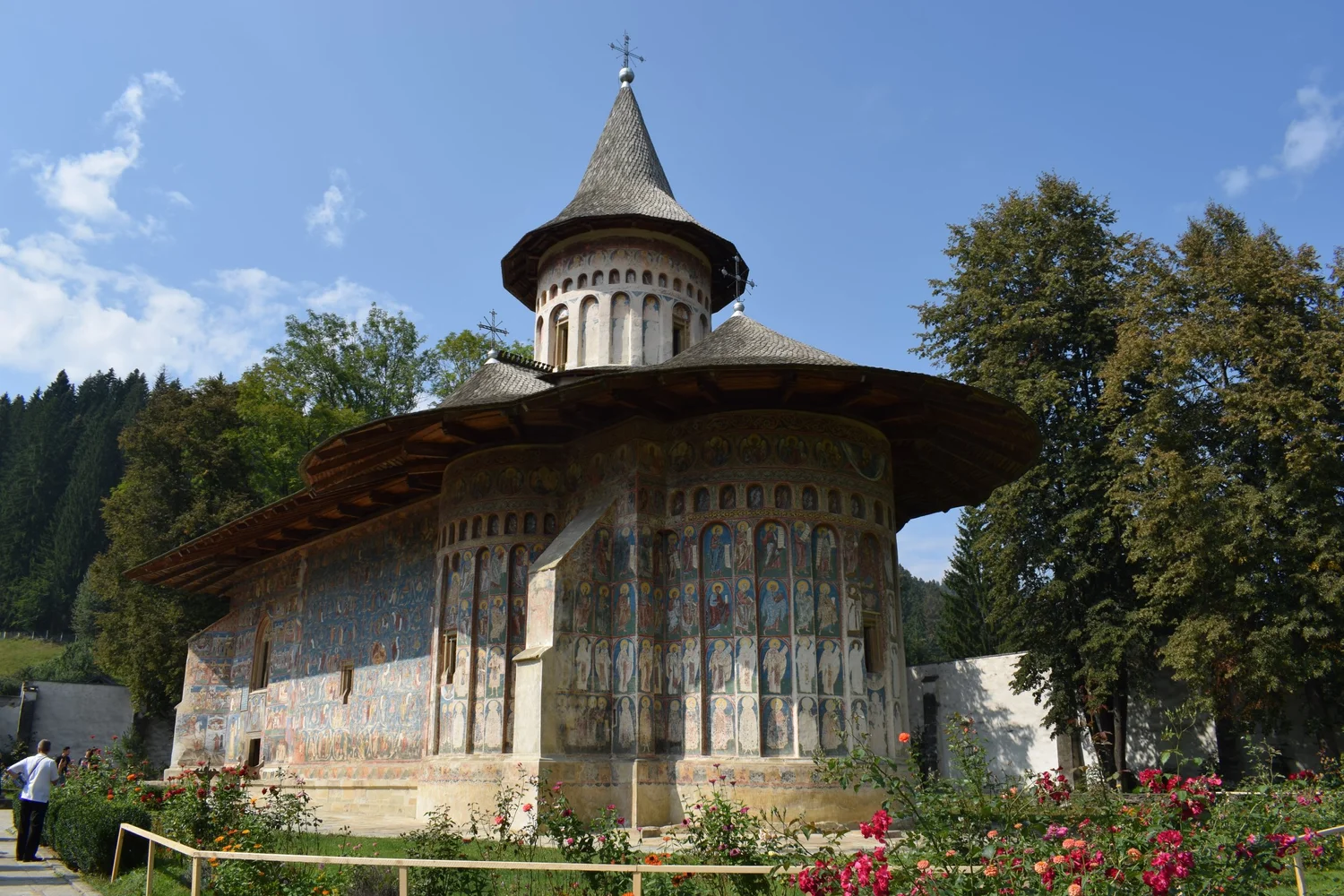
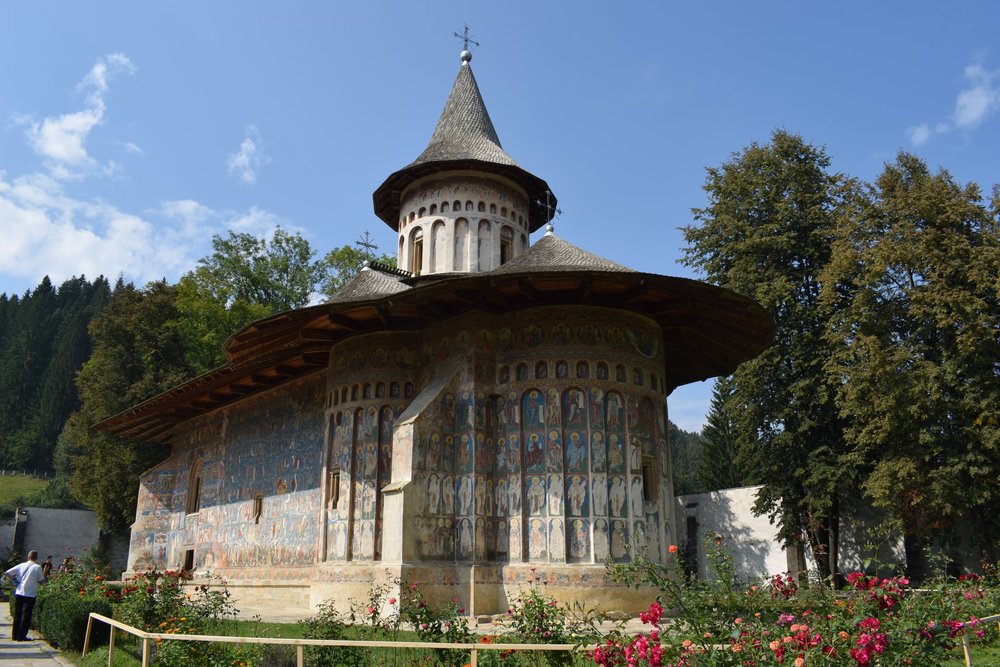
Eight UNESCO-listed painted monasteries with 500-year-old Byzantine frescoes on their exterior walls. Voronet — the Sistine Chapel of the East — uses a blue pigment that has never been reproduced. One of the greatest concentrations of medieval art in Europe, almost entirely unknown to Western visitors.
Carpathians
Romania's mountain heart. Brown bear watching, the Fagaras ridge at 2,544 metres, the Transfagarasan road (called the best in the world by Top Gear), Balea Lake, Retezat and Piatra Craiului. Europe's largest bear population, 6,000+ individuals, the wilderness unchanged for centuries.
Danube Delta
Europe's finest wetland and a UNESCO Biosphere Reserve. Private boat safaris through reed channels, Great White Pelicans at sunrise, 300+ bird species, floating reed islands, ancient Letea forest with wild horses and total wilderness within three hours of Bucharest.
Oltenia
Romania's least visited region and one of its most rewarding. The Iron Gates gorge on the Danube, Tismana monastery founded 1375, Roman ruins at Drobeta, traditional Oltenian villages with genuine folk culture and the Dragasani wine appellation — elegant wines almost no one outside Romania knows.
Bucharest
Once called the Paris of the East, Bucharest has layers — the Art Deco boulevards, the Communist megalomaniac Palace of Parliament, the bohemian old town, the lively restaurant scene and, nearby, the Dealu Mare wine region and the Wallachian monasteries of Curtea de Arges and Cozia.
Moldova & Wine Country
The rolling hills of Moldavia produce some of Romania's most interesting wines — Cotnari, Dealu Mare, Cotesti. The medieval city of Iasi, the princely court at Suceava and a food culture distinct from the rest of Romania. Perfectly combined with Bucovina for a complete northern journey.
Romania Soul Tours designs custom journeys — villages, mountains, culture. Max 12 people. Local guides born in the regions they show you.
Find Your Region by Travel Style
The right region depends on what you are looking for. Here is a quick guide.
For Art & Heritage
The painted monasteries of Bucovina and the UNESCO wooden churches of Maramures are the finest heritage destinations. For castles and medieval towns, Transylvania is unsurpassed.
For Wildlife & Nature
Brown bears, wolves and lynx in the Carpathians. Pelicans, eagles and 300+ birds in the Danube Delta. Two of the great wildlife experiences left in Europe, both in Romania.
For Hiking & Mountains
The Carpathians offer everything from gentle walks to serious multi-day traverses — Fagaras, Retezat, Piatra Craiului, Ceahlau. Almost no crowds on the trails, spectacular scenery on every route.
For Food & Wine
Dragasani and Dealu Mare wine from Oltenia and Wallachia. Cotnari whites from Moldova. Village cooking in Maramures and Transylvania. A gastronomic country hiding in plain sight.
For Authentic Village Life
Maramures is Europe's most intact rural culture. Oltenia offers village life largely untouched by tourism. Both regions give you the Romania that exists beyond the brochures — immediate, generous and deeply moving.
For a Grand Tour
7–14 nights combining two or three regions gives the complete picture of Romania. Our most popular combination is Transylvania + Maramures or Bucovina + Maramures. Tell us your dates and we design the rest.
Popular Region Combinations
Castles, Saxon villages and Carpathian mountains in the south, then north to the most authentic rural culture in Europe. The perfect Romania introduction.
Plan This Combination →Two of Romania's UNESCO-rich northern regions. Painted monasteries and Byzantine art in Bucovina, wooden churches and village life in Maramures. Connected by the dramatic Prislop Pass.
Plan This Combination →Bears and alpine wilderness in the Carpathians, then pelicans and reed channels in the Delta. Two of Europe's great wildlife experiences, both in Romania, both extraordinary.
Plan This Combination →Not Sure Which Region is Right for You?
Tell us what you love — mountains, art, wildlife, villages, food, adventure — and our Romania specialists will design the perfect multi-region journey around your interests and dates.
